Uncategorized
Stylish Living Room Design Ideas for Every Budget
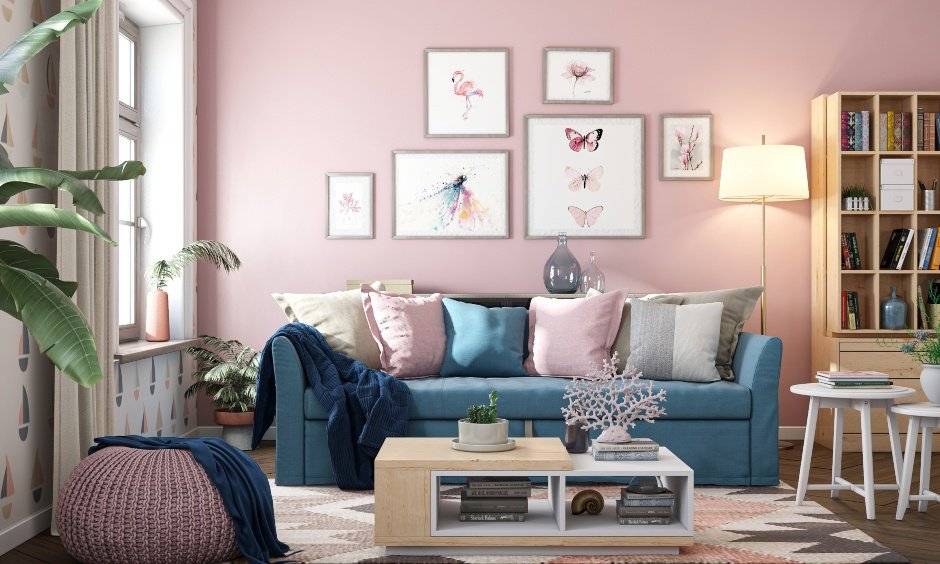
The living room is often the centerpiece of a home—a place where families gather, guests are entertained, and everyday moments are shared. Whether you’re working with a tight budget or planning a premium makeover, creating a stylish living room is possible with the right design choices. From smart furniture selection to creative décor ideas, this guide will help you design a living room that looks elegant, feels comfortable, and fits your budget. Why a Well-Designed Living Room Matters A thoughtfully designed living room can: Make your home feel more inviting. Improve comfort and functionality. Reflect your personal style. Maximize available space. Increase the visual appeal of your interiors. The best designs combine practicality with timeless aesthetics. Budget-Friendly Living Room Design Ideas 1. Refresh Your Walls with Paint A fresh coat of paint is one of the most affordable ways to transform a room. Popular choices include: Warm white Soft beige Light gray Sage green Dusty blue Neutral shades create a bright and spacious feel while complementing various décor styles. 2. Rearrange Your Furniture Before buying anything new, experiment with your current layout. Try to: Create a clear conversation area. Leave enough walking space. Position seating near natural light. Avoid blocking windows. A better arrangement can make the room feel larger and more functional. 3. Add Decorative Throw Pillows Throw pillows instantly refresh sofas and chairs without a major investment. Mix: Different textures Coordinating colors Subtle patterns This simple update adds warmth and personality. 4. Incorporate Indoor Plants Plants bring freshness and life into a living room while enhancing the overall décor. Easy-to-maintain options include: Snake plants Pothos ZZ plants Peace lilies Rubber plants Decorative planters can further elevate the look. 5. Use Mirrors to Expand the Space Large mirrors reflect natural light and create the illusion of a bigger room. Place a mirror: Opposite a window Above a console table Behind decorative lighting This trick works especially well in compact living rooms. Mid-Range Living Room Upgrades 6. Invest in a Statement Rug A well-sized rug ties furniture together and adds texture to the space. Choose neutral or geometric designs that complement your color palette. 7. Upgrade Your Lighting Layered lighting creates depth and ambiance. Include: Ceiling lights Floor lamps Table lamps Wall sconces Warm lighting helps create a cozy and welcoming atmosphere. 8. Install Floating Shelves Floating shelves offer both storage and display opportunities. Use them for: Books Artwork Small plants Decorative objects Family photos Keep styling minimal to avoid visual clutter. 9. Mix Textures Luxury often comes from texture rather than expensive materials. Combine: Linen curtains Velvet cushions Wooden furniture Metal accents Soft rugs The result is a layered and sophisticated design. Premium Design Ideas for a Luxurious Feel 10. Choose High-Quality Statement Furniture Instead of filling the room with many pieces, invest in one or two standout items such as: A stylish sofa An elegant coffee table A designer armchair A custom media unit Quality often has a greater impact than quantity. 11. Create an Accent Wall An accent wall adds visual interest without overwhelming the room. Popular finishes include: Textured paint Wood panels Stone cladding Wallpaper Decorative molding Keep the remaining walls neutral for balance. 12. Display Large-Scale Artwork Oversized artwork can become the focal point of the living room and create a gallery-inspired look. Abstract art, landscapes, or minimalist prints work particularly well in modern interiors.
Smart Storage Solutions for Small Homes
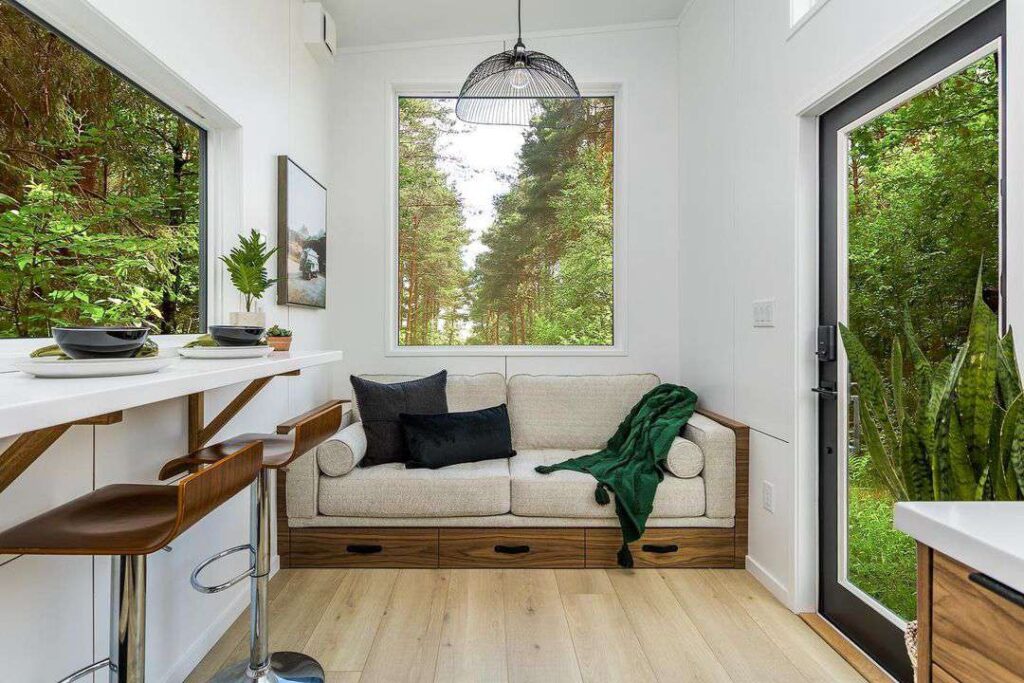
Living in a small home doesn’t mean you have to compromise on comfort or organization. With the right storage solutions, even the tiniest spaces can feel spacious, functional, and stylish. Whether you live in a studio apartment, a compact house, or a cozy 1 BHK, smart storage can help you make the most of every square foot. In this guide, we’ll explore creative and affordable ways to maximize storage while maintaining a clean and modern interior. Why Smart Storage Is Important A well-organized home offers more than just visual appeal. Smart storage solutions can: Reduce clutter and stress. Make daily tasks easier. Improve the functionality of every room. Create the illusion of a larger space. Keep your belongings easily accessible. The key is to use every available area wisely without overcrowding your home. 1. Invest in Multi-Functional Furniture Furniture that serves multiple purposes is ideal for small spaces. Some excellent options include: Beds with built-in drawers. Storage ottomans. Coffee tables with hidden compartments. Sofa beds for guests. Dining benches with storage underneath. These pieces help you save space while keeping essentials neatly tucked away. 2. Take Advantage of Vertical Space When floor space is limited, look upward. Walls offer valuable storage opportunities without making rooms feel cramped. Ideas include: Floating shelves. Wall-mounted cabinets. Pegboards for accessories. Tall bookcases. Hanging organizers. Vertical storage keeps items within reach while freeing up valuable floor area. 3. Use Under-Bed Storage The area beneath your bed is perfect for storing items that aren’t needed every day. Store things like: Seasonal clothing. Shoes. Bedding. Luggage. Holiday decorations. Rolling bins or vacuum-sealed bags make this space even more efficient. 4. Maximize Closet Organization Closets often have untapped potential. With a few upgrades, you can significantly increase storage capacity. Try: Double hanging rods. Shelf dividers. Slim hangers. Drawer organizers. Hanging shoe racks. Keeping your closet organized also helps the rest of your home stay tidy. 5. Install Floating Shelves Floating shelves provide storage without taking up floor space and can double as decorative displays. Use them in: Living rooms. Bedrooms. Kitchens. Bathrooms. Home offices. Display books, plants, framed photos, or decorative baskets for a stylish look. 6. Make Use of Door Space The backs of doors are often overlooked but can provide excellent storage. Consider adding: Over-the-door hooks. Shoe organizers. Hanging pockets. Towel racks. Accessory holders. This simple solution works especially well in bathrooms and bedrooms. 7. Keep the Kitchen Organized A clutter-free kitchen is easier to use and looks more spacious. Smart kitchen storage ideas include: Stackable containers. Pull-out pantry shelves. Magnetic knife strips. Wall-mounted spice racks. Hooks for mugs and utensils. Clear countertops also create a cleaner and more modern appearance. 8. Add Storage Baskets and Decorative Boxes Stylish baskets and storage boxes are perfect for organizing everyday items while enhancing your décor. Use them to store: Toys. Blankets. Office supplies. Laundry. Remote controls. Choose matching designs for a cohesive look. 9. Utilize Corners Effectively Corners often go unused but can become valuable storage areas. Ideas include: Corner shelves. Corner desks. Triangular cabinets. Tall corner bookcases. Corner plant stands with storage. These solutions make every inch of your home work harder. 10. Create Hidden Storage Hidden storage keeps belongings out of sight while maintaining a clean aesthetic. Examples include: Built-in seating with compartments. Lift-top coffee tables. Staircase drawers. Mirror cabinets. Fold-down desks with shelving. These designs combine practicality with elegance. 11. Organize the Bathroom Bathrooms can quickly become cluttered if storage is limited. Make the most of the space by using: Shelves above the toilet. Under-sink organizers. Wall-mounted cabinets. Shower caddies. Hanging baskets. Neatly arranged toiletries create a more relaxing environment. 12. Declutter Regularly Even the best storage system won’t help if you keep unnecessary items. Every few months: Donate unused clothes. Recycle old paperwork. Discard broken items. Organize cables and accessories. Sort kitchen utensils. Decluttering makes your home feel larger and more manageable. 13. Use Foldable and Stackable Solutions Flexible furniture and storage products are perfect for compact homes. Examples include: Folding tables. Nesting stools. Stackable bins. Collapsible laundry baskets. Foldable drying racks. These can be stored away when not in use, saving valuable space. 14. Label Everything Labels make it easier to locate items and encourage everyone in the household to stay organized. Label: Pantry containers. Storage boxes. Office files. Toy bins. Seasonal decorations. A little organization goes a long way. 15. Keep Décor Functional Choose decorative items that also serve a purpose. For example: Stylish baskets for storage. Decorative trays for organizing remotes. Storage benches in entryways. Wall-mounted hooks with artistic designs. This approach keeps your home beautiful and practical. Common Storage Mistakes to Avoid Avoid these mistakes when organizing a small home: Buying oversized furniture. Ignoring vertical storage opportunities. Overfilling cabinets and shelves. Keeping items you no longer use. Failing to organize storage containers. Thoughtful planning and regular maintenance are essential for long-term organization. Final Thoughts Smart storage solutions can transform a small home into a functional and inviting space. By choosing multi-purpose furniture, utilizing vertical areas, organizing closets, and embracing hidden storage, you can maximize every inch without sacrificing style. Remember, the goal isn’t just to store more—it’s to create a home that feels open, comfortable, and easy to live in. With a few creative ideas and consistent organization, even the smallest home can make a big impression. Frequently Asked Questions (FAQs) 1. What is the best storage solution for a small home? Multi-functional furniture, vertical shelving, under-bed storage, and wall-mounted organizers are among the most effective ways to maximize space. 2. How can I make my small home look bigger? Declutter regularly, use light colors, install mirrors, choose furniture with built-in storage, and keep floor space as open as possible. 3. Are floating shelves good for small spaces? Yes. Floating shelves provide extra storage while preserving valuable floor space and adding visual interest. 4. How often should I declutter my home? A thorough decluttering every three to six months, along with weekly tidying, helps maintain an organized living space.
How to Create a Cozy and Inviting Home
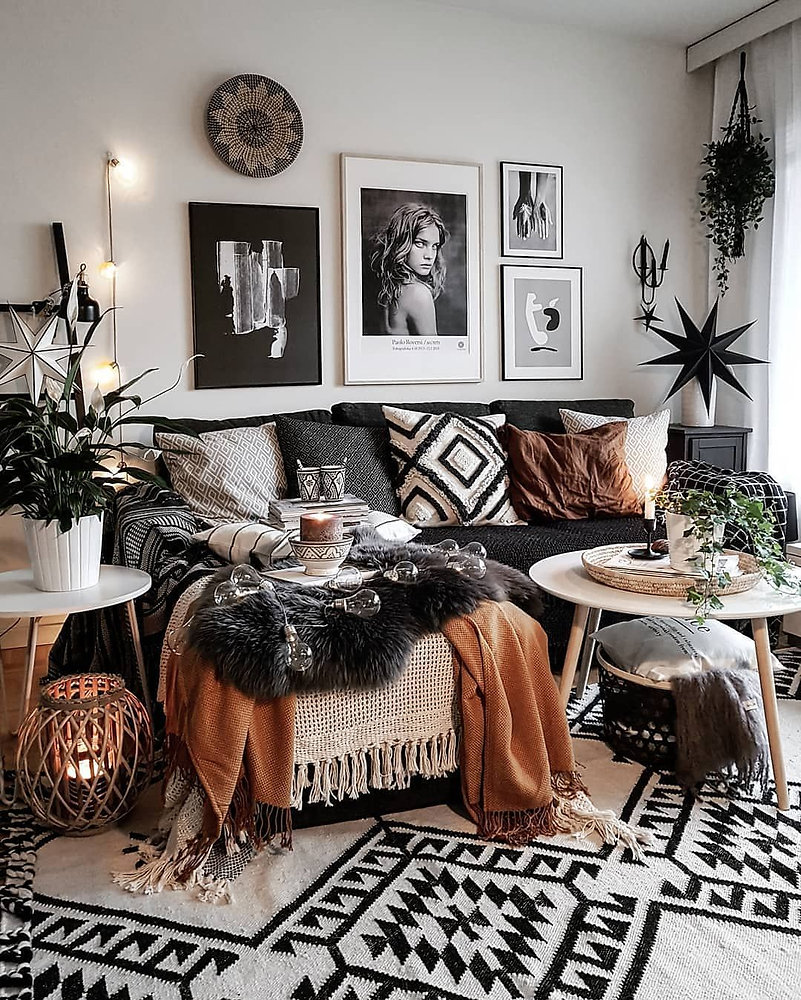
How to Create a Cozy and Inviting Home A cozy and inviting home is more than just a beautiful space—it’s a place where you can relax, recharge, and enjoy meaningful moments with family and friends. The good news is that creating a warm and welcoming atmosphere doesn’t require a large budget or a complete renovation. By making thoughtful design choices and adding personal touches, you can transform any room into a comfortable retreat that feels both stylish and functional. Why a Cozy Home Matters A well-designed home can positively influence your mood and daily life. Cozy interiors often: Reduce visual clutter and stress. Encourage relaxation and comfort. Make guests feel welcome. Improve the overall ambiance of your home. Create a timeless and lived-in feel. The key is balancing aesthetics with practicality. 1. Choose Warm and Neutral Colors Color plays a major role in setting the mood of a room. Warm neutrals create a calming environment and make spaces feel more inviting. Consider shades like: Soft beige Warm white Cream Taupe Light gray Muted terracotta These colors pair well with most furniture styles and create a timeless backdrop. 2. Layer Your Lighting Lighting can dramatically change the atmosphere of your home. Instead of relying on a single ceiling light, combine multiple light sources. Include: Floor lamps Table lamps Wall sconces Warm LED bulbs Decorative candles or LED candles Soft, layered lighting creates depth and makes rooms feel more comfortable. 3. Add Soft Textures Texture brings warmth and visual interest to any interior. Incorporate: Plush throw blankets Velvet or knit cushions Area rugs Linen curtains Upholstered furniture Layering different fabrics helps create a relaxed and welcoming environment. 4. Bring Nature Indoors Plants instantly add life and freshness to your home while improving its overall appearance. Popular indoor plants include: Snake plants Pothos Peace lilies Spider plants Rubber plants Pair greenery with ceramic or woven planters for a stylish touch. 5. Keep Your Home Clutter-Free An organized home often feels calmer and more spacious. Simple habits include: Storing everyday items in baskets or cabinets. Keeping countertops clear. Donating items you no longer use. Organizing shelves neatly. Using multifunctional storage furniture. A clutter-free environment allows decorative elements to stand out. 6. Use Comfortable Furniture Choose furniture that is both practical and inviting. Deep sofas, supportive chairs, and soft upholstery encourage relaxation and make the space enjoyable for everyday living. Add extra comfort with: Throw pillows Footstools Cozy blankets Soft seat cushions 7. Personalize Your Space Your home should reflect your personality and experiences. Display: Family photographs Travel souvenirs Favorite books Handmade crafts Meaningful artwork These personal touches make the space unique and welcoming. 8. Decorate with Natural Materials Wood, stone, wicker, cotton, and linen create a warm and grounded atmosphere. Examples include: Wooden coffee tables Rattan baskets Jute rugs Cotton throws Stone planters Natural materials add texture and timeless appeal. 9. Add Pleasant Scents A home’s scent contributes significantly to how inviting it feels. Try: Scented candles Essential oil diffusers Fresh flowers Natural potpourri Baking cookies or bread before guests arrive Choose subtle fragrances such as vanilla, lavender, sandalwood, or citrus. 10. Create Cozy Reading or Relaxation Corners Even a small corner can become a favorite retreat. All you need is: A comfortable chair Good lighting A side table A blanket A few books or magazines This dedicated space encourages quiet moments and relaxation. 11. Hang Curtains High and Wide Installing curtains close to the ceiling makes windows appear larger and allows more natural light to enter. Choose fabrics that complement your overall décor while maintaining softness and elegance. 12. Use Rugs to Define Spaces Area rugs add warmth underfoot and visually connect furniture. For best results: Ensure the rug is appropriately sized. Coordinate colors with your furniture. Use soft textures for extra comfort. Rugs can make even large rooms feel intimate and cozy.
Common Interior Design Mistakes and How to Avoid Them
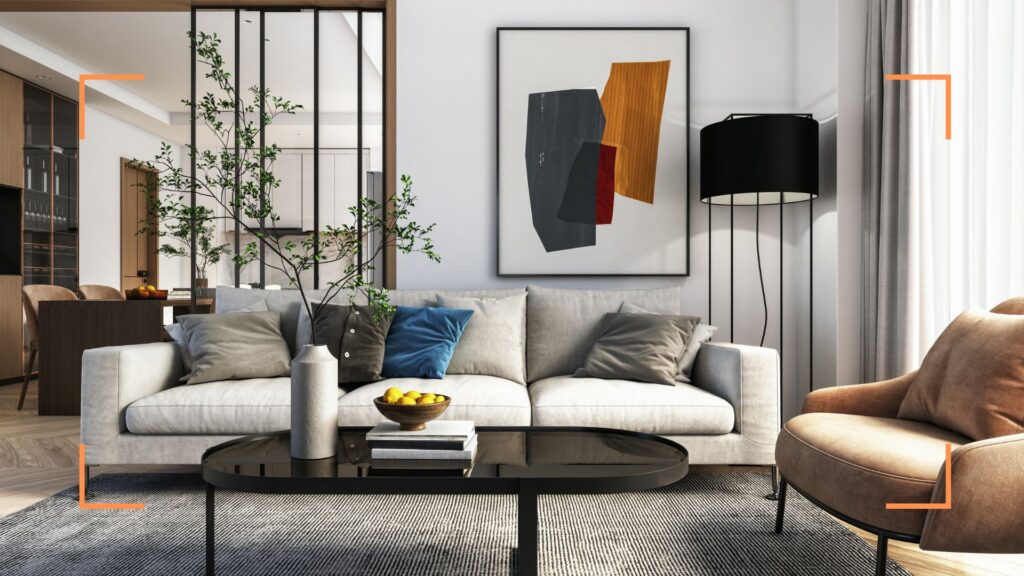
Common Interior Design Mistakes and How to Avoid Them Designing a beautiful home is about more than buying expensive furniture or following the latest trends. Even the most stylish spaces can feel uncomfortable or cluttered if common design mistakes are overlooked. Whether you’re decorating a new home or updating your current space, avoiding these interior design pitfalls can help you create a home that is both functional and visually appealing. Why Avoiding Design Mistakes Matters Good interior design improves the way a home looks and feels. Thoughtful planning can: Make rooms appear larger and brighter. Improve comfort and functionality. Create a balanced and cohesive style. Save money by preventing costly redesigns. Increase the long-term appeal of your home. By understanding the most common mistakes, you can make better design decisions from the start. 1. Choosing Furniture That Is Too Large or Too Small One of the biggest mistakes is selecting furniture that doesn’t fit the room properly. Oversized sofas can overwhelm small spaces, while tiny furniture may look out of place in larger rooms. How to Avoid It Measure your room before shopping. Leave enough walking space around furniture. Use painter’s tape to mark furniture dimensions on the floor before purchasing. Balance furniture size with the room’s proportions. 2. Ignoring Proper Lighting Relying on a single ceiling light can make a room feel flat and uninviting. How to Avoid It Layer different types of lighting: Ambient lighting for overall brightness. Task lighting for reading or work. Accent lighting to highlight décor or artwork. Warm lighting often creates a more comfortable atmosphere than harsh white light. 3. Pushing All Furniture Against the Walls Many people assume placing furniture against the walls makes a room feel larger, but it can actually make the layout feel disconnected. How to Avoid It Create conversation areas by grouping seating. Float furniture slightly away from walls when possible. Use rugs to define spaces in open layouts. 4. Choosing Paint Before Furniture Paint is available in thousands of shades, making it easier to match walls to furnishings than the other way around. How to Avoid It Select your major furniture pieces first, then choose wall colors that complement them. 5. Using Too Many Colors and Patterns Mixing excessive colors, prints, and textures can make a room feel chaotic. How to Avoid It Stick to a consistent color palette: One dominant color. One secondary color. One or two accent colors. Balance bold patterns with neutral elements. 6. Hanging Artwork Too High Artwork placed too close to the ceiling can disrupt the visual balance of a room. How to Avoid It Hang artwork so its center is approximately at eye level, especially above sofas, consoles, or beds. 7. Buying Matching Furniture Sets A room filled with identical furniture pieces can lack personality and visual interest. How to Avoid It Mix materials, textures, and finishes while maintaining a cohesive style. Combining wood, fabric, metal, and glass can create a more dynamic design. 8. Forgetting About Storage A beautiful room can quickly become cluttered if there is nowhere to store everyday items. How to Avoid It Incorporate practical storage solutions such as: Storage ottomans. Floating shelves. Built-in cabinets. Decorative baskets. Multi-functional furniture. 9. Choosing the Wrong Rug Size A rug that is too small can make furniture appear disconnected. How to Avoid It Ideally, at least the front legs of sofas and chairs should rest on the rug to visually anchor the seating area. 10. Neglecting Scale and Proportion Combining tiny décor with oversized furniture—or vice versa—can make a room feel unbalanced. How to Avoid It Mix different sizes thoughtfully while ensuring that accessories complement the scale of the furniture and the room. 11. Overdecorating Every Surface Filling every shelf and tabletop with accessories creates visual clutter. How to Avoid It Leave some empty space to let key decorative pieces stand out. A minimalist approach often feels more elegant. 12. Following Trends Without Considering Longevity Trendy designs may look exciting today but can quickly become outdated. How to Avoid It Choose timeless foundations, such as neutral walls and classic furniture, then incorporate trends through easily replaceable items like cushions, artwork, and accessories.
Best Color Combinations for Living Room Walls
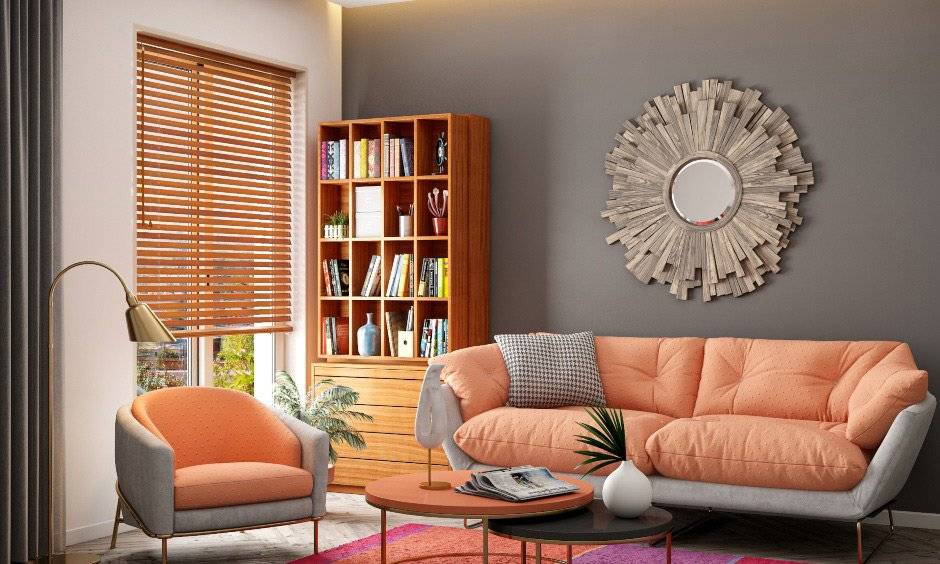
Best Color Combinations for Living Room Walls The living room is the heart of the home—a place where family gathers, guests are welcomed, and everyday memories are made. Choosing the right wall colors can completely transform this space, making it feel larger, brighter, cozier, or more luxurious. Whether you prefer a modern aesthetic or a timeless classic look, the right color combination can enhance your furniture, décor, and lighting while reflecting your personal style. Why Wall Colors Matter Wall colors do more than decorate a room. They influence mood, affect the perception of space, and tie together the overall design. A carefully chosen palette can: Make small rooms feel more spacious. Add warmth and comfort. Create a sophisticated atmosphere. Highlight architectural features. Complement furniture and accessories. When selecting colors, consider the amount of natural light, room size, and the style you want to achieve. 1. White and Soft Gray A combination of crisp white and soft gray creates a clean, elegant, and contemporary look. White keeps the room bright, while gray adds subtle depth and sophistication. Best for: Modern apartments Minimalist interiors Small living rooms 2. Beige and Warm White For a timeless and inviting feel, pair beige with warm white. This neutral palette creates a calm atmosphere and works well with wooden furniture and natural textures. Pairs well with: Cream sofas Wooden coffee tables Woven rugs Indoor plants 3. Navy Blue and White Navy blue brings richness and character, while white balances the intensity for a polished finish. Use navy as an accent wall and white on the remaining walls for visual interest. Ideal for: Contemporary homes Coastal-inspired designs Statement living rooms 4. Sage Green and Cream Sage green has become a favorite for homeowners seeking a peaceful, nature-inspired interior. Combined with cream, it creates a fresh and welcoming ambiance. Enhance the look with: Linen curtains Wooden décor Ceramic vases Botanical artwork 5. Charcoal Gray and Light Gray This monochromatic combination adds depth without overwhelming the room. It’s especially effective in spaces with large windows or abundant natural light. Tip: Add metallic accents like gold or brushed brass for extra elegance. 6. Dusty Blue and White Dusty blue introduces a soft touch of color while maintaining a relaxing environment. White trims and ceilings keep the room feeling open and airy. This palette is ideal for creating a peaceful family space. 7. Taupe and Ivory Taupe offers warmth without being overpowering, while ivory brightens the room. Together, they create a refined and balanced aesthetic suitable for both modern and traditional homes. 8. Olive Green and Beige Olive green adds personality and earthy charm, making it a great choice for feature walls. Paired with beige, it creates a grounded and sophisticated design. Complete the look with natural wood furniture and woven accessories. 9. Terracotta and Off-White Terracotta brings warmth and character to living rooms inspired by Mediterranean or rustic styles. Off-white keeps the palette balanced and prevents the space from feeling too dark. This combination works beautifully with handmade pottery and textured fabrics. 10. Soft Peach and Cream For a cheerful yet elegant atmosphere, combine soft peach with cream. The result is a bright and welcoming space that feels warm without being overwhelming. This pairing is especially effective in rooms with plenty of natural sunlight.
Smart Storage Solutions for Small Homes
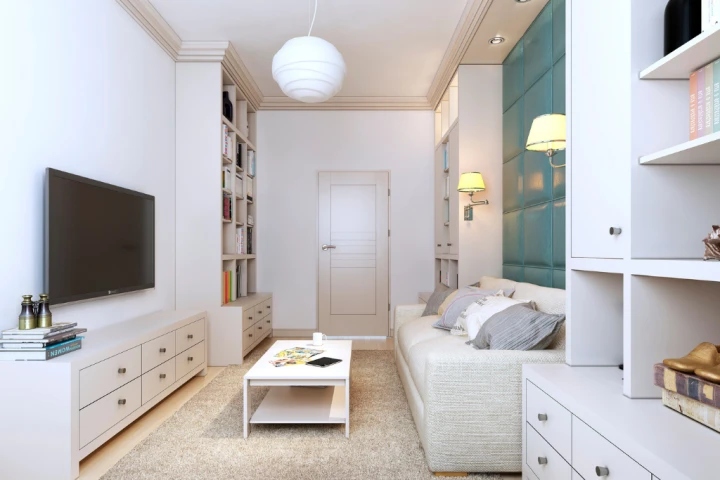
Living in a small home or apartment doesn’t mean you have to sacrifice comfort or style. With the right storage strategies, you can create a clean, organized, and spacious-looking environment while making the most of every square foot. Whether you live in a studio apartment, a 1 BHK, or a compact family home, these smart storage solutions will help you reduce clutter and improve functionality without major renovations. Why Smart Storage Matters Limited space can quickly become overwhelming if belongings are not organized efficiently. Smart storage solutions offer several benefits: Keep rooms tidy and clutter-free. Make daily routines more convenient. Maximize usable floor space. Improve the overall appearance of your home. Help you find items quickly and easily. A well-organized home often feels larger, brighter, and more inviting. 1. Choose Multi-Functional Furniture Furniture that serves more than one purpose is ideal for small homes. Look for pieces that combine style with hidden storage. Examples include: Beds with built-in drawers. Storage ottomans for blankets and magazines. Coffee tables with shelves or compartments. Benches with lift-up seats. Sofas with hidden storage sections. These pieces reduce clutter while saving valuable space. 2. Make Use of Vertical Space Walls provide excellent storage opportunities without taking up floor area. Consider installing: Floating shelves. Wall-mounted cabinets. Pegboards for tools or accessories. Hanging organizers. Tall bookcases that reach the ceiling. Vertical storage keeps essentials accessible while opening up the room. 3. Take Advantage of Under-Bed Storage The space beneath your bed is perfect for storing seasonal or infrequently used items. Use it for: Extra bedding. Shoes. Travel luggage. Winter clothing. Storage bins or rolling containers. Choose labeled boxes to make retrieval easier. 4. Organize Kitchen Cabinets Efficiently Small kitchens benefit greatly from smart organization. Useful ideas include: Stackable containers. Pull-out shelves. Corner organizers. Wall-mounted spice racks. Hanging hooks for mugs and utensils. Keeping countertops clear creates a cleaner and more spacious look. 5. Install Floating Shelves Floating shelves provide additional storage without making a room feel crowded. They work well in: Living rooms. Bedrooms. Bathrooms. Home offices. Kitchens. Display books, plants, decorative items, or storage baskets to combine function with style. 6. Use Door Space Wisely The back of doors is often overlooked but can provide valuable storage. Try adding: Over-the-door shoe organizers. Hanging hooks for coats or towels. Pocket organizers for accessories. Small racks for cleaning supplies. This simple upgrade makes use of otherwise unused space. 7. Declutter Regularly No storage system works well if you keep unnecessary items. Every few months: Donate unused clothes. Recycle old papers. Discard broken items. Organize cables and electronics. Sort through kitchen utensils. Keeping only what you use helps maintain an organized home. 8. Invest in Storage Baskets and Bins Matching baskets create a neat appearance while hiding everyday clutter. Use them for: Toys. Laundry. Office supplies. Bathroom essentials. Pantry items. Labeling containers makes organization even easier. 9. Create Hidden Storage Areas Hidden compartments can maximize functionality without affecting aesthetics. Examples include: Built-in seating with storage. Staircase drawers. Mirror cabinets. Fold-down desks. Wall niches with concealed shelving. These solutions keep belongings out of sight while remaining easily accessible. 10. Optimize Closet Space A well-organized closet can hold much more than you might expect. To maximize capacity: Add shelf dividers. Use slim hangers. Install double hanging rods. Store seasonal items in upper shelves. Use drawer organizers for smaller accessories. Efficient closets reduce visual clutter throughout the home.
How to Make Your Home Look Luxurious Without Spending Much?
Creating a home that feels elegant and expensive doesn’t require a huge budget. With thoughtful design choices, clever styling, and attention to detail, you can transform any space into a sophisticated retreat without spending a fortune. In this guide, you’ll discover practical and budget-friendly ways to make your home look luxurious while keeping costs under control. 1. Stick to a Neutral Color Palette Luxury interiors often feature timeless colors like white, beige, cream, gray, and soft earth tones. Neutral walls create a clean and spacious feel while allowing furniture and décor to stand out. Pro Tip: Add depth by mixing different textures such as linen curtains, velvet cushions, or woven rugs instead of using bold colors. 2. Upgrade Your Lighting Lighting can completely change the mood of a room. Replace outdated fixtures with modern pendant lights, elegant chandeliers, or stylish wall sconces. You can also: Well-planned lighting instantly makes a room feel more upscale. 3. Invest in Statement Pieces Instead of buying many inexpensive decorations, choose one or two eye-catching items that become the focal point of the room. Examples include: Quality over quantity creates a refined appearance. 4. Declutter and Organize Luxury homes often appear spacious because they are free from unnecessary clutter. Simple steps include: A tidy home naturally looks more sophisticated. 5. Add Large Mirrors Mirrors reflect light and make rooms feel bigger and brighter. Choose mirrors with elegant frames or minimalist designs to create a premium look. Place them opposite windows to maximize natural light. 6. Use Floor-to-Ceiling Curtains Hang curtains close to the ceiling rather than directly above the window frame. This simple trick creates the illusion of taller ceilings and larger windows. Choose fabrics like linen or velvet in neutral shades for added elegance. 7. Incorporate Metallic Accents Touches of gold, brass, matte black, or brushed nickel can instantly elevate a room. Consider updating: Small metallic details can have a big visual impact. 8. Layer Different Textures Luxury isn’t only about expensive furniture—it’s also about creating visual richness through texture. Mix elements like: Layering textures adds warmth and sophistication.
Minimalist Interior Design Tips for Beginners
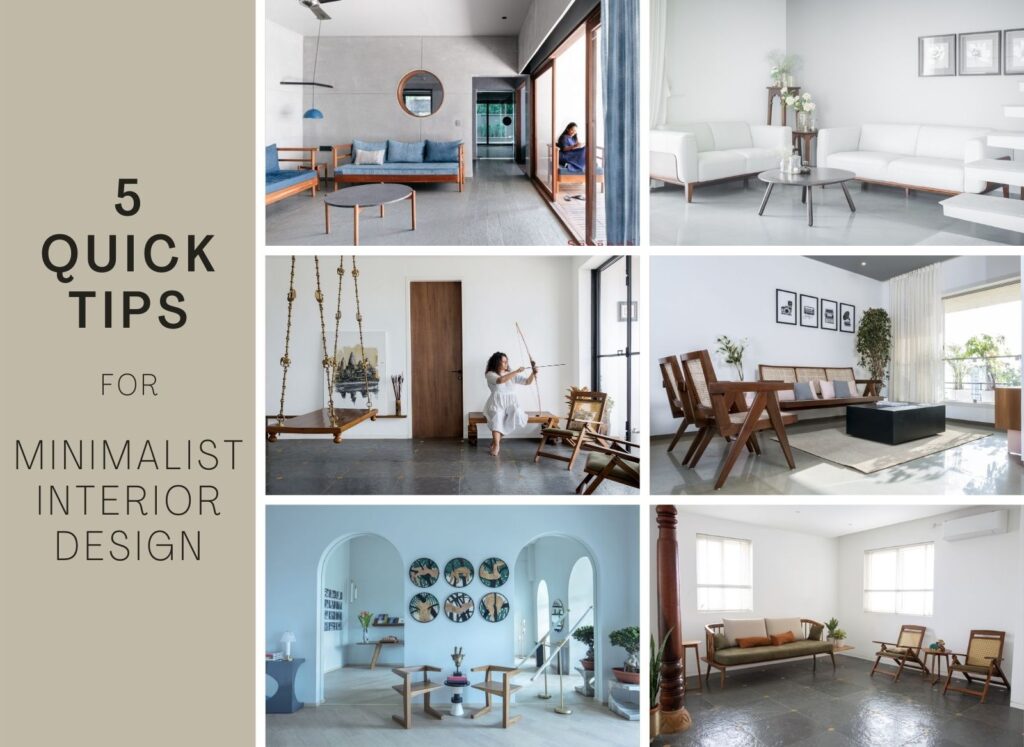
Minimalist interior design is more than just a decorating style—it’s a way of creating calm, organized, and functional living spaces. By focusing on simplicity and purpose, you can make your home feel more spacious, elegant, and comfortable without filling it with unnecessary items. If you’re new to minimalist design, these beginner-friendly tips will help you transform your home while staying within your budget. 1. Start by Decluttering The first step toward a minimalist home is removing items you no longer use or need. Go room by room and keep only things that serve a purpose or bring value to your daily life. A clutter-free environment not only looks better but also makes cleaning and organizing much easier. 2. Choose a Neutral Color Palette Minimalist interiors often feature soft, neutral colors such as: These shades create a bright, open atmosphere and make rooms feel larger. You can add subtle accents with muted greens, blues, or earthy tones for extra warmth. 3. Invest in Functional Furniture Every piece of furniture should have a clear purpose. Look for items that combine style with practicality, such as: Functional furniture helps maximize space while maintaining a clean and organized look. 4. Focus on Quality Instead of Quantity Rather than filling your home with many decorations, choose a few well-made pieces that complement the overall design. A single statement chair or elegant light fixture can have more impact than multiple decorative items. 5. Let Natural Light Shine Large windows and natural light are key features of minimalist interiors. Use sheer curtains or blinds that allow sunlight to brighten your rooms and create an airy feel. Mirrors can also reflect light and make smaller spaces appear more open.
Luxury and Elegance on Budget 2026
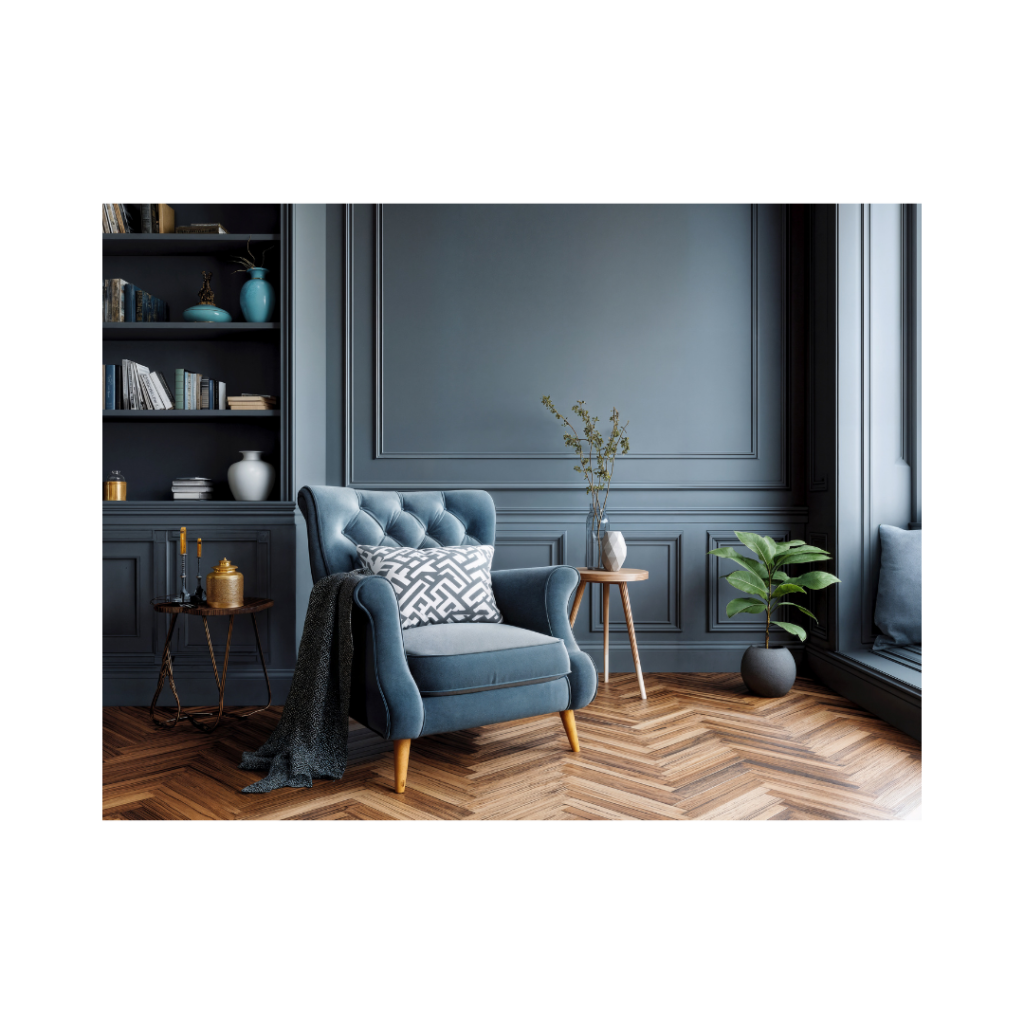
Interior Design for 1 BHK, 2 BHK & 3 BHK Homes: Discover the Most Interesting Interiors Introduction Your home should be a reflection of your personality, lifestyle, and comfort. Whether you own a 1 BHK, 2 BHK, or 3 BHK apartment, the right interior design can make every room feel stylish, functional, and inviting. From smart storage solutions to luxurious finishes, modern interiors combine beauty with practicality. In this guide, you’ll discover inspiring interior design ideas for different BHK layouts and learn how to make the most of every square foot. What Does BHK Mean? BHK stands for Bedroom, Hall, and Kitchen. Choosing the right interior style depends on your home’s size, layout, and daily needs. 1 BHK Interior Design Ideas A 1 BHK home can feel spacious with thoughtful planning. Smart Design Tips Best Style Minimalist and Scandinavian-inspired interiors work especially well for compact homes. 2 BHK Interior Design Ideas A 2 BHK offers greater flexibility and is perfect for couples or small families. Recommended Features Popular Color Palette Neutral shades like white, beige, grey, and wood finishes create a timeless and elegant appearance.